Golf is a game of precision and skill. However, many players overlook an important factor: how does golf equipment affect performance? The right gear can significantly influence a player's game. High-quality clubs, well-fitted drivers, and suitable balls can enhance distance and accuracy. Conversely, poor equipment can hinder a golfer's ability to perform at their best.
Choosing equipment that fits your style is essential. For example, a beginner might struggle with advanced clubs designed for professionals. This mismatch can lead to frustration and poor performance. Additionally, technological advancements in golf gear are worth considering. Clubs with improved materials and designs can help players achieve better results.
Every golfer's journey is unique. Innovations in equipment benefit only those willing to embrace change. Reflecting on past experiences with different gear can provide insights. Are you using the tools that align with your goals? Understanding how golf equipment affects performance may lead you to rethink your choices on the course.
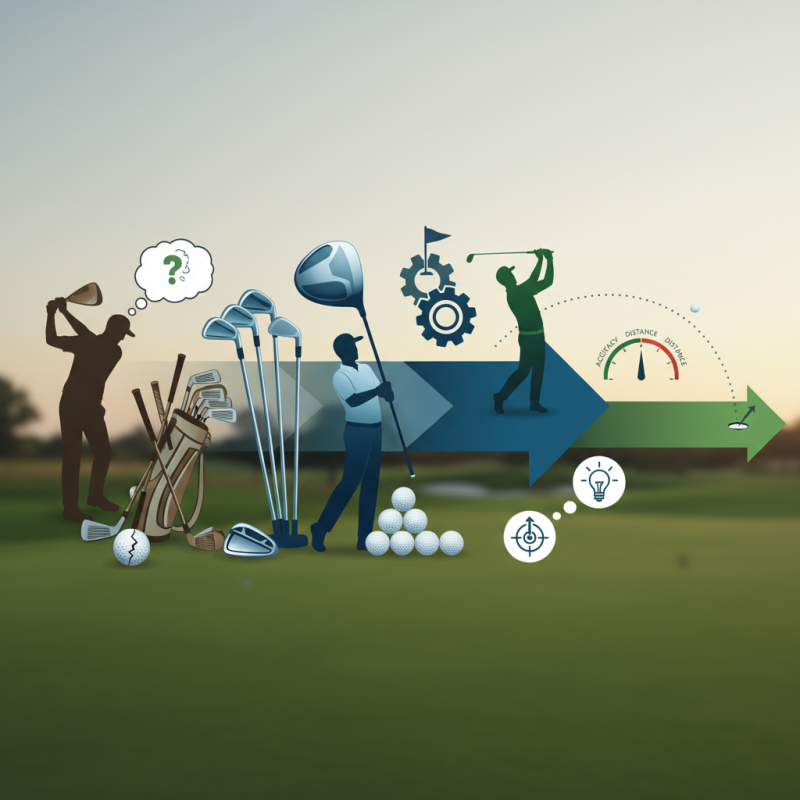
When selecting golf equipment, various factors can significantly influence performance on the course. One major aspect is the club's shaft. Club length and flexibility affect swing speed and accuracy. Longer shafts can produce more distance, but they may sacrifice control. Choosing the right shaft requires careful consideration of your swing style and strength.
Another vital element is the type of golf balls in use. Different balls have unique characteristics that can enhance distance or spin. For instance, a softer ball may provide better feel around the greens. However, it might sacrifice distance off the tee. Understanding your playing style is crucial in selecting the right ball for your game.
Lastly, the grip size matters more than many golfers realize. A grip too large can hinder your ability to release the club. A grip that is too small can lead to inconsistencies in your swing. Experimenting with various sizes can provide insights into what works best for your hands. Each factor plays a role in how equipment impacts performance. Golfers must reflect on their preferences and challenges to make informed choices.
The choice of golf clubs can significantly influence your performance. Clubs affect swing mechanics and can enhance or hinder your distance on the course. When selecting clubs, pay attention to the shaft flex, weight, and length. These characteristics shape how the club interacts with the ball during the swing.
Every golfer has a unique swing. A too stiff or flexible shaft can lead to inconsistent shots. Properly fitted clubs can help you achieve better accuracy. Consider how your grip impacts your control. A poor grip can negate the benefits of an excellent club.
Understanding your swing dynamics is crucial. Analyze your ball flight patterns. Are you slicing or hooking the ball? These issues often stem from improper club choice. Experimenting with different clubs might reveal surprising outcomes. Remember, even small adjustments can lead to significant results.
The type of golf ball you choose can significantly influence your performance. Different golf balls offer various levels of spin, control, and feel, which can impact your game. A ball with high spin capability may help you achieve better control on approach shots. This is particularly important on challenging greens where precision is key. However, using such a ball can sometimes lead to unintended consequences, like overshooting the target.
Control is equally crucial. A well-designed ball provides consistency in flight and landing. If you struggle with hitting greens, experimenting with different balls may reveal one that fits your style better. Some players find that a softer ball enhances their touch around the greens. But it can also compromise distance. The choice may come down to what you value more: control or distance.
Feel is another vital aspect. This refers to how the ball interacts with your club during shots. Every golfer has a unique preference. Some enjoy a firmer feel, while others prefer something softer. Testing out balls in practice rounds can reveal your personal favorite, but it also means playing with various options before settling on one. The imperfect journey of finding the right ball is part of improving your game.
Golf performance hinges on more than just skill. Properly fitted equipment plays a critical role. Clubs that suit your height and swing style can significantly improve accuracy. A poorly fitted club can lead to frustration and inconsistency. Customization is not just a luxury; it can elevate your game.
Consider the grip as a vital detail. If it’s too thick or too thin, it affects control. Players often underestimate how much a proper grip impacts their swing. Shoe fit is equally important. A stable stance can enhance your balance and power during shots. Fitting should cater to your specific playing style.
Many players overlook the importance of regular assessments. As your skills evolve, so should your gear. A fitting done years ago may no longer suit your current mechanics. Taking the time to re-evaluate your equipment unlocks further potential on the course. Reflecting on these aspects of gear can lead to meaningful improvements. Proper fitting is a journey, not just a one-time event.
When it comes to golf performance, accessories and training aids play a crucial role. Research indicates that the right equipment can improve swing biomechanics by up to 23%. This improvement can lead to better accuracy and distance. For instance, adjustable weights in clubs help customize the swing's center of gravity, enhancing control.
Using training aids, like swing trainers, can also positively impact your game. In a survey of golfers, 70% reported improved consistency after using swing aids for a few weeks. These tools provide valuable feedback, which can lead to meaningful adjustments. Body awareness is vital; a simple device can reveal flaws in your stance or grip.
Tip: Consider integrating video analysis into your practice routine. This will allow you to see your swing from multiple angles.
While technology helps, it’s important to remember that over-reliance can be counterproductive. Some golfers become too focused on gadgets. It’s essential to balance technology with fundamental skills. Emphasizing training drills over equipment might yield better results. Ultimately, the right combination of accessories and natural skills will enhance your game.
: Key factors include club shaft, ball type, and grip size. Each affects swing speed and control.
Longer shafts can increase distance but may reduce control. Choose based on your swing style.
Different golf balls affect spin, control, and feel. Understanding your playing style helps in selecting the right one.
Grip that’s too large or small can impact your swing. Finding the right grip size is crucial.
High spin balls can enhance control but may overshoot targets. Experiment to find what works best for you.
Training aids can improve swing consistency. Many golfers have reported better performance after using them.
Yes, the right accessories can enhance biomechanics and lead to better accuracy and distance.
Over-reliance on gadgets may hinder progress. Balance technology use with fundamental training.
Video analysis allows you to see your swing from different angles and identify areas for improvement.
It depends on your playing style. Consider what you value more when choosing equipment or balls.
The article titled "How Does Golf Equipment Impact Your Performance on the Course?" explores various factors that influence the selection and effectiveness of golf equipment. It examines how the choice of clubs affects swing mechanics and distance, emphasizing the critical role of club design in optimizing performance. Additionally, the article highlights the importance of golf balls in contributing to spin, control, and overall feel during play.
Adequately fitted gear is underscored as essential for enhancing individual player performance, as properly matched equipment can lead to significant improvements on the course. Furthermore, the evaluation of accessories and training aids illustrates how these components can support skill development and overall game improvement. Collectively, these factors answer the pressing question of how does golf equipment affect performance, showcasing the intricate relationship between gear and golfer capability.

Clyde Golf